Hands-On Bedside Mastery in Clinical Neurology
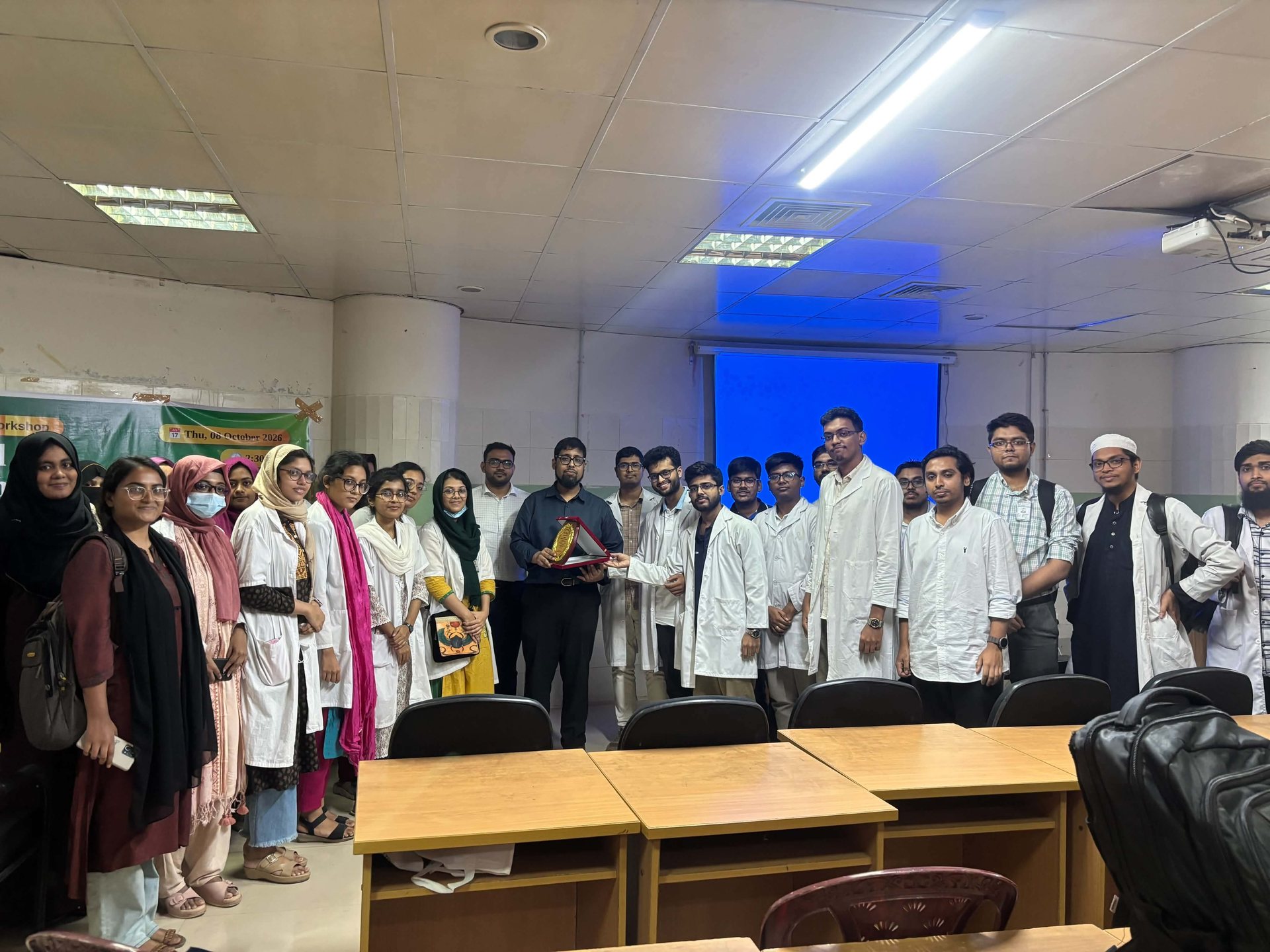
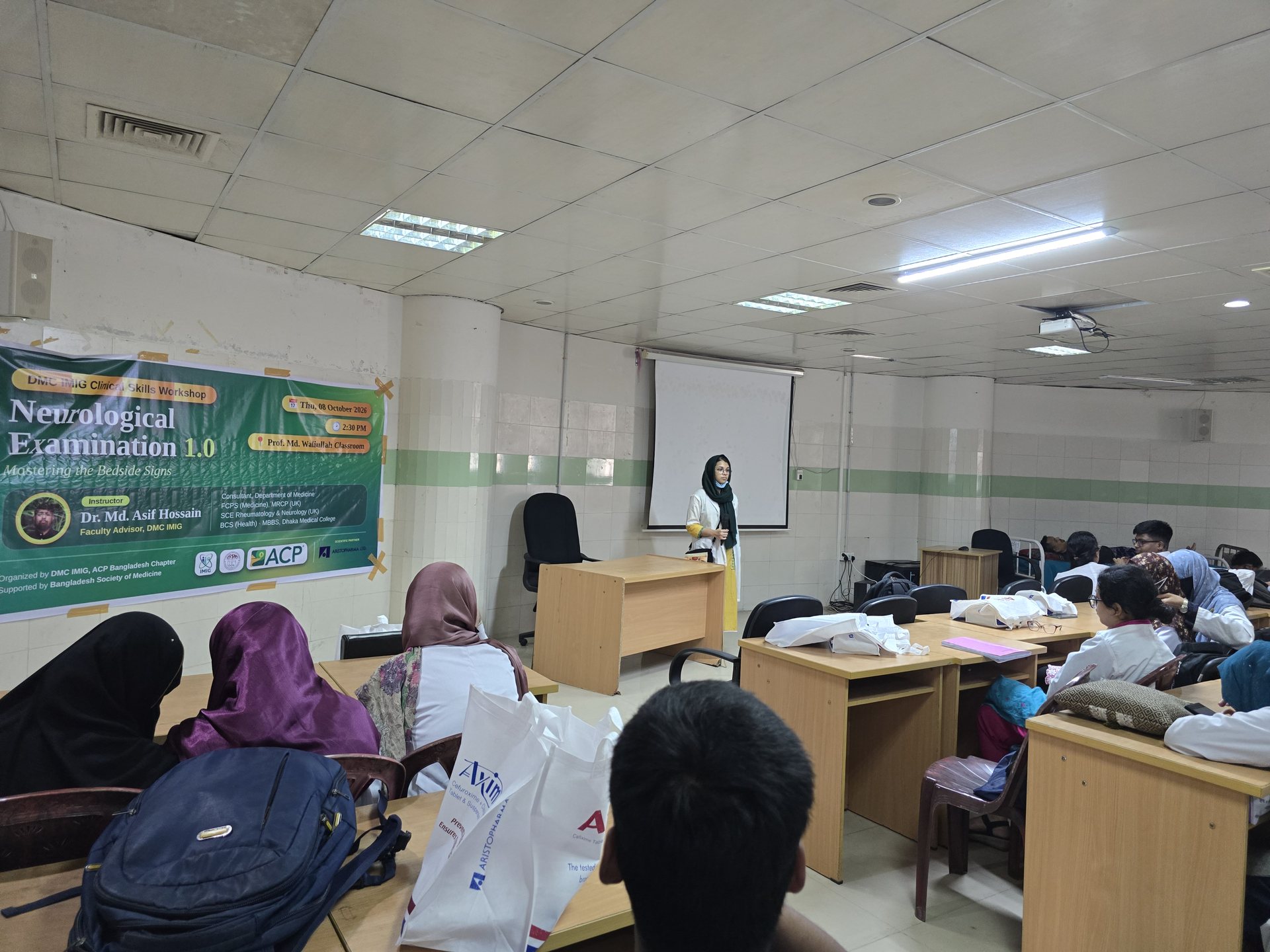
On Saturday, 10 October 2026, the Dhaka Medical College Internal Medicine Interest Group (DMC IMIG), in academic partnership with the American College of Physicians (ACP) Bangladesh Chapter and supported by the Bangladesh Society of Medicine (BSM), successfully conducted its premier clinical skills workshop: "Neurological Examination 1.0: Mastering the Bedside Signs."
Held at the Prof. Md. Waliullah Classroom of Dhaka Medical College, the intensive program brought together 42 dedicated medical students from 3rd, 4th, and 5th Year MBBS classes (Batches K-79, K-80, and K-81). Over an immersive 5-hour continuous masterclass, participants transitioned from theoretical neuroanatomy to confident, systematic bedside physical examination.
Faculty Leadership & Uncompromising Clinical Dedication
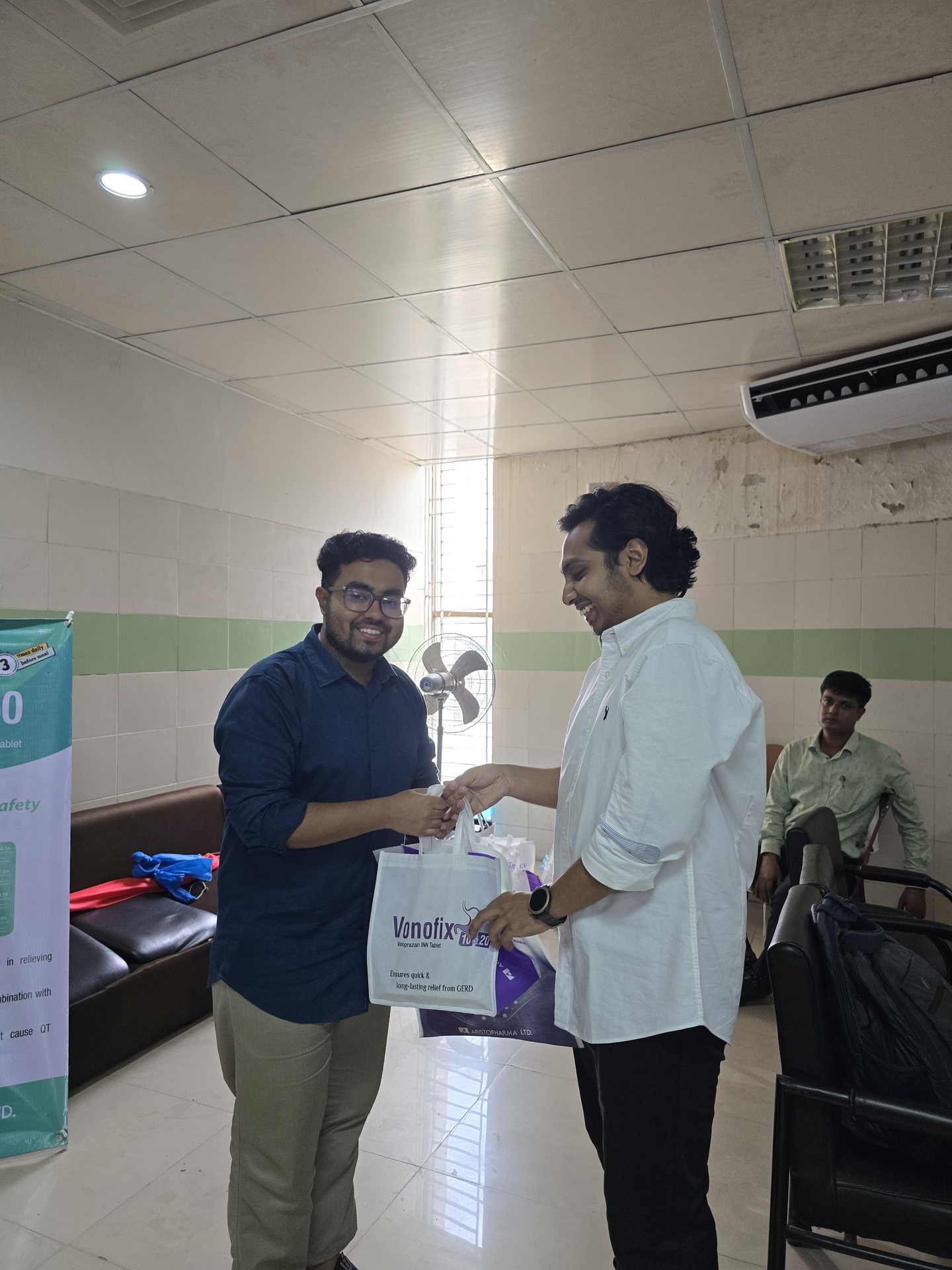
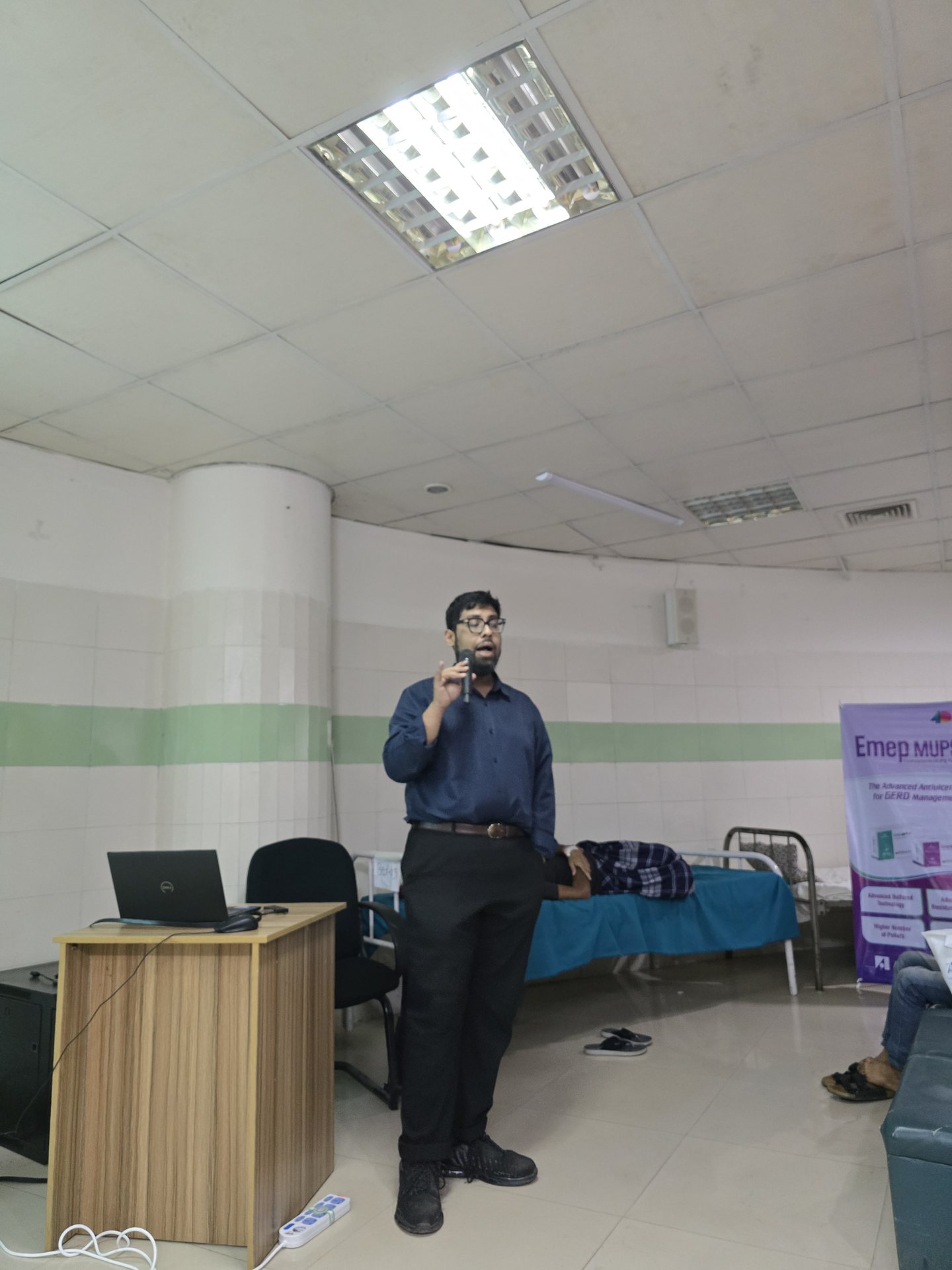
The workshop was directed and mentored by Dr. Md. Asif Hossain, Faculty Advisor of DMC IMIG, Consultant in the Department of Medicine at Dhaka Medical College Hospital (FCPS Medicine, MRCP UK, SCE Rheumatology & Neurology UK, BCS Health).
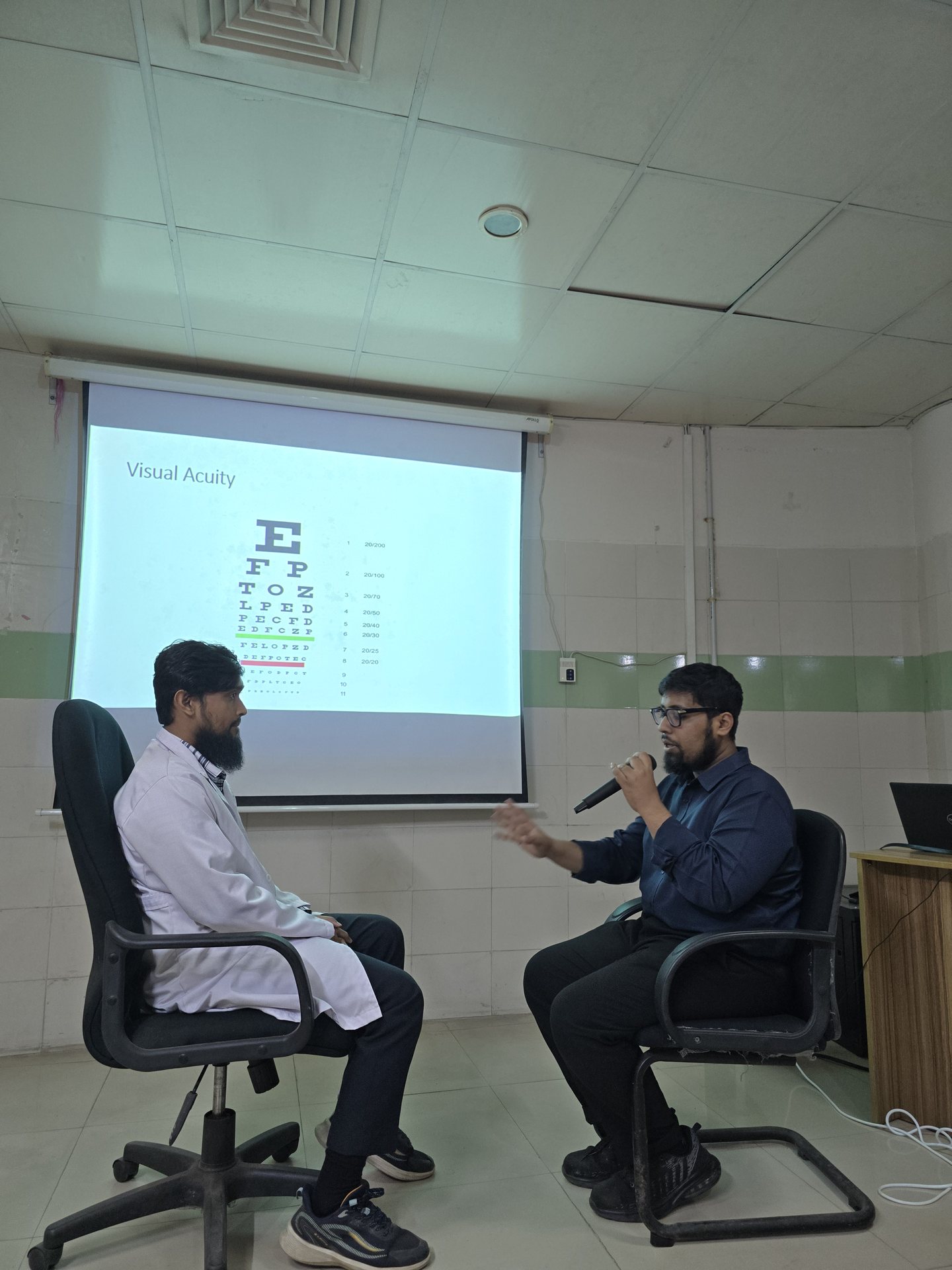
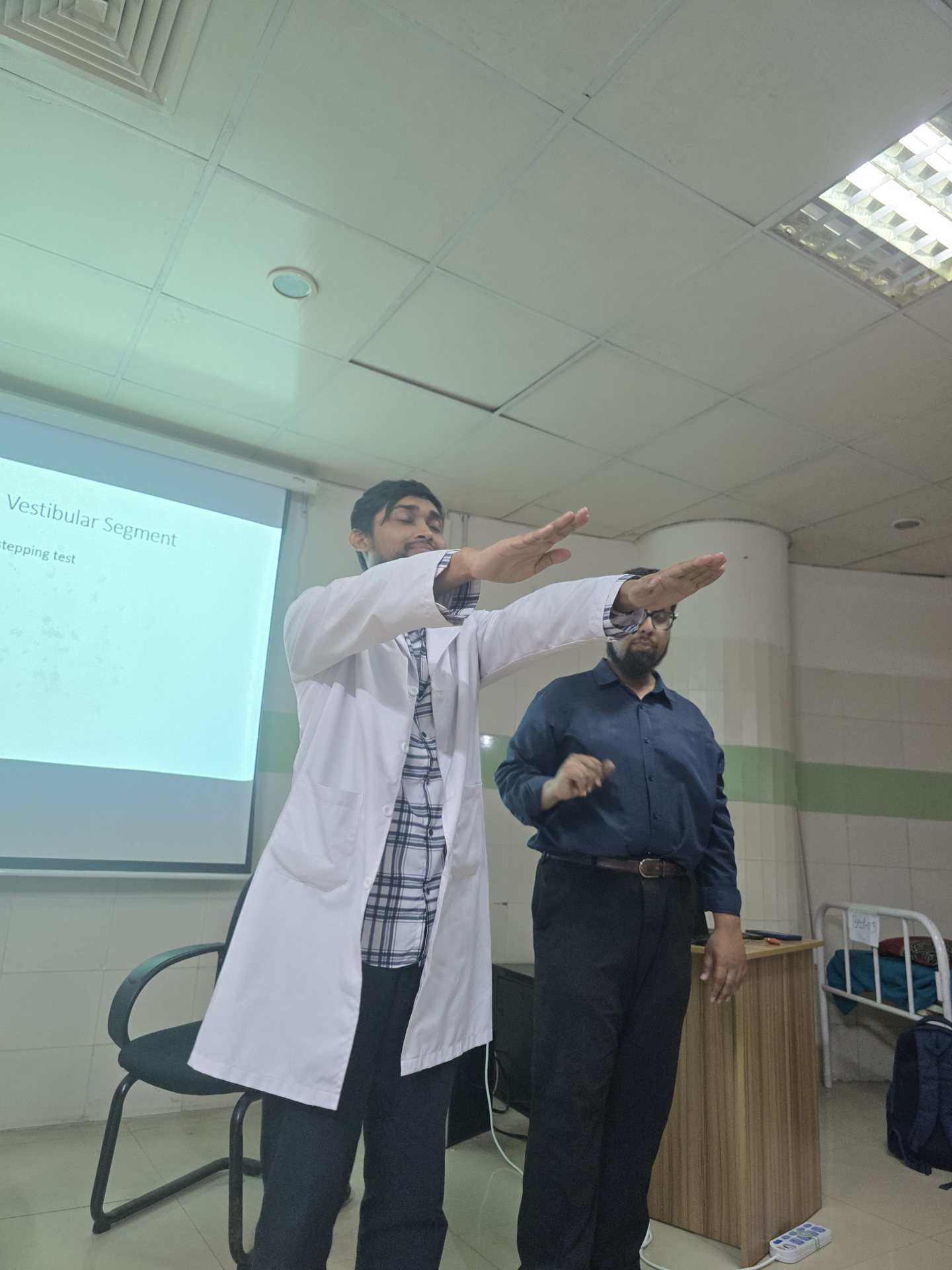
Throughout the 5-hour duration, Dr. Asif demonstrated extraordinary instructional dedication, conducting step-by-step physical demonstrations on volunteer student delegates, analyzing subtle clinical signs, correcting participant technique, and answering intricate diagnostic questions with clinical rigor. His teaching philosophy anchored every physical sign to its underlying neuroanatomical pathway:
"In clinical neurology, the tendon hammer and pen torch are precision instruments. Do not merely look for reflexes; look for the pathway, localize the level, and think like a diagnostician."
Comprehensive 5-Hour Curriculum Highlights
The interactive curriculum dismantled the complexity of neurological evaluation into structured, reproducible clinical modules:
1. Neuroaxis Localization & Structural Mapping
- Conceptualizing lesion sites across six anatomical tiers: cerebral cortex, subcortex/internal capsule, brainstem, spinal cord, peripheral nerve/root, neuromuscular junction, and muscle.
- Recognizing hallmark clinical syndromes: Upper Motor Neuron (UMN) vs. Lower Motor Neuron (LMN) patterns, brainstem crossed hemiplegias, and spinal cord hemisection (Brown-Sequard syndrome).
2. Cranial Nerve Masterclass (CN I to XII)
- Optic & Oculomotor System: Direct and consensual pupillary light reflexes, accommodation reflex, primary eye position, and conjugate gaze pathways (MLF).
- Trigeminal & Facial Nerves: Testing sensory divisions, corneal reflex, and precise differentiation between cortical UMN facial palsy (forehead sparing) and peripheral Bell's palsy.
- Bulbar Evaluation: Palatal elevation, gag reflex, tongue inspection for fasciculations, and distinguishing pseudobulbar from true bulbar palsy.
3. Motor System & Reflex Dynamics
- Bulk measurement and systematic tone assessment (spastic catch vs. lead-pipe vs. cogwheel rigidity).
- Exact Medical Research Council (MRC) power grading across all major joint movements from 0 (complete paralysis) to 5 (normal power).
- Eliciting biceps, supinator, triceps, knee, and ankle jerks with correct mechanical technique.
- Pathological reflexes: ankle clonus quantification and definitive Babinski sign elicitation.
4. Sensory Mapping, Cerebellar Signs & Gait Analysis
- Dermatomal sensory testing to establish definitive sensory levels in spinal cord pathology.
- Distinguishing posterior column loss (impaired vibration at 128 Hz and joint position sense, positive Romberg test) from spinothalamic tracts.
- Cerebellar coordination battery: finger-nose testing, dysdiadochokinesia, and heel-to-shin test.
- Bedside gait recognition: hemiplegic circumduction, sensory ataxic stamping, high-steppage, and festinating gaits.
Small-Group Bedside Mentorship & Peer Practice
To ensure true practical competence rather than passive observation, the 42 delegates were divided into focused small-group stations. Under direct consultant supervision:
- Each student conducted hands-on examinations on peers.
- Common examination errors: improper tendon hammer swing, inadequate patient relaxation, and inaccurate dermatomal boundaries: were systematically identified and corrected on the spot.
- Interactive problem-solving sessions tasked students with deducing the anatomical diagnosis from clinical case vignettes.
Enduring Academic Impact
The workshop concluded with a comprehensive interactive synthesis, certificate distribution, and unanimous feedback from participants commending the clarity, depth, and practical utility of the training.
By bridging theoretical knowledge with bedside clinical execution, Neurological Examination 1.0 reinforced DMC IMIG's commitment to cultivating diagnostic precision and clinical leadership among future physicians.
Visual records, high-resolution photo archives, and key clinical captures from the session are permanently hosted on the official platform:
- Event Photo Gallery: View Neurological Examination 1.0 Gallery (62 Photos)
- Event Details & Curriculum: View Event Overview