Academic Excellence Ahead of the Second Professional MBBS Examination
On Sunday evening, 18 October 2026, the Dhaka Medical College Internal Medicine Interest Group (DMC IMIG), with academic support from the Bangladesh Society of Medicine (BSM), successfully hosted the nationwide virtual session: "Pharmacology Tips & Tricks for the Second Professional MBBS Examination."
Broadcast live via Zoom and simulcast across social platforms, the webinar drew extensive participation from 3rd and 4th-year MBBS students and 2nd Prof examinees across medical colleges. The interactive session focused on cutting through the voluminous pharmacology curriculum with concise, high-scoring exam formats and clinical correlation.
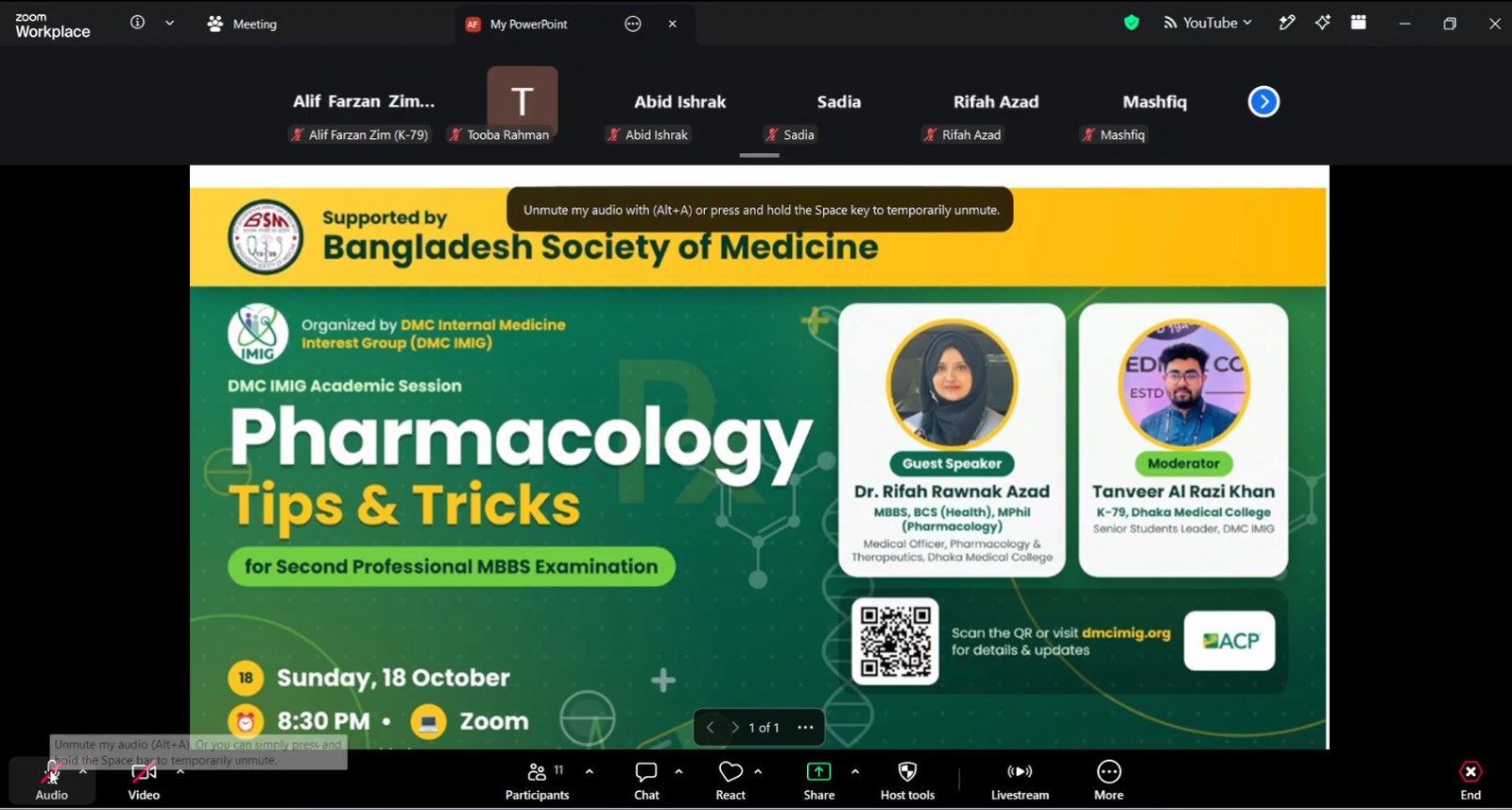
Live Stream & Complete Recording
The complete webinar recording is available on YouTube for medical students and examinees who wish to review high-yield clinical classifications, diagrams, and exam strategies:
Key Academic Takeaways & High-Yield Insights
Distinguished guest speaker Dr. Rifah Rawnak Azad, Medical Officer in the Department of Pharmacology & Therapeutics at Dhaka Medical College (MBBS, BCS Health, MPhil Pharmacology), led an engaging masterclass on mastering the second professional examination:
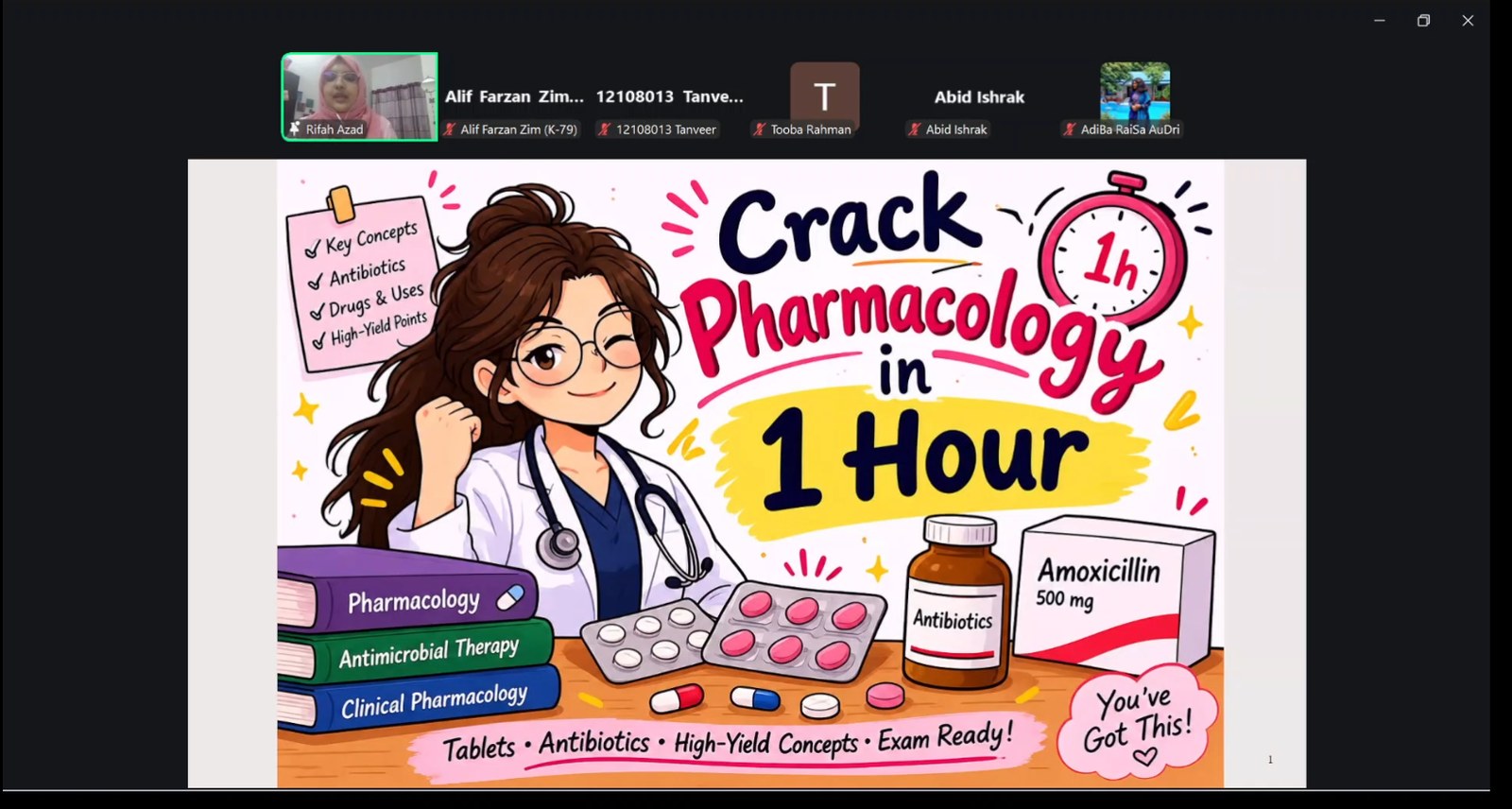
1. General Pharmacology & Systematic Answer Frameworks
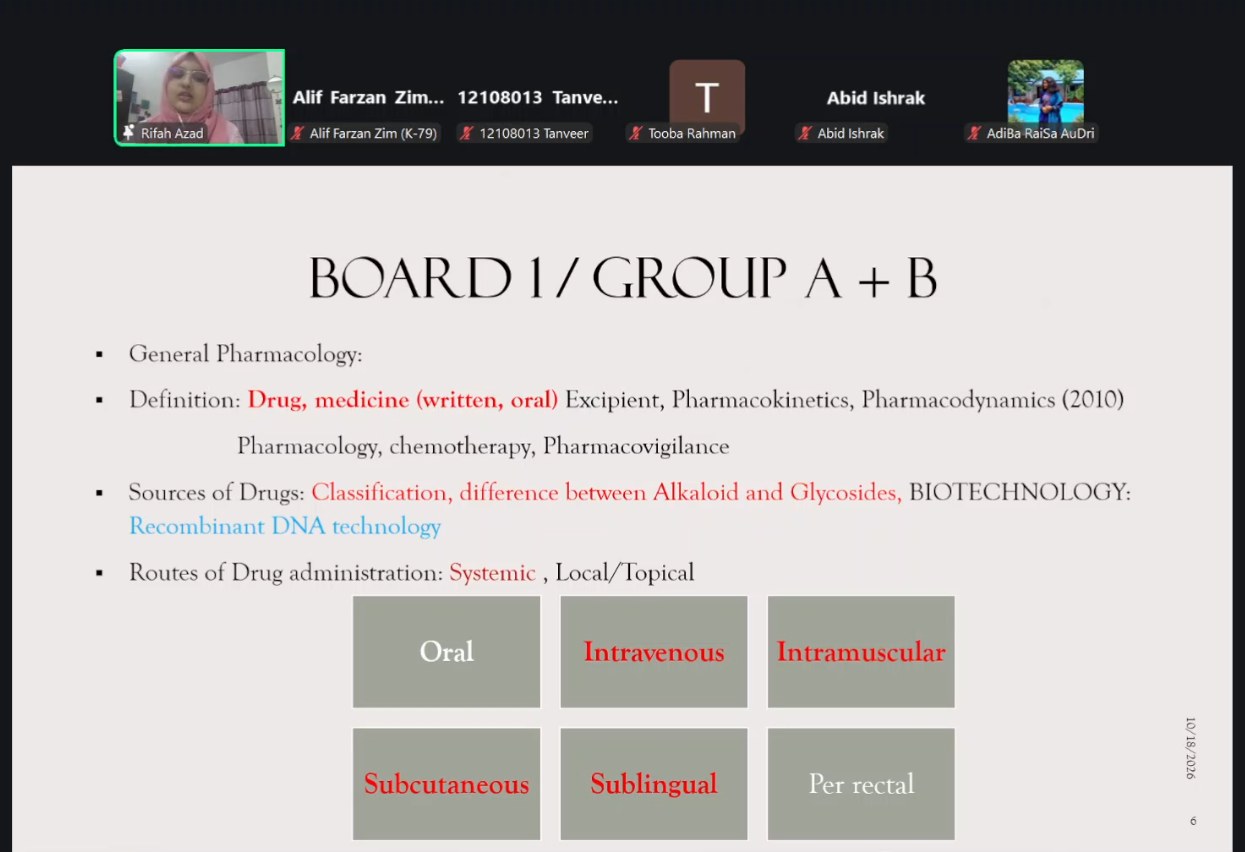
Dr. Rifah emphasized the critical importance of disciplined answer structure in written Paper I:
- Opening answers with exact standard definitions (Drug vs. Medicine, Pharmacokinetics vs. Pharmacodynamics).
- Differentiating recombinant DNA biotechnology sources from conventional alkaloids and glycosides.
- Mastering the pharmacokinetics of systemic versus topical routes of drug delivery.
2. Autonomic Pharmacology & Emergency Toxicology
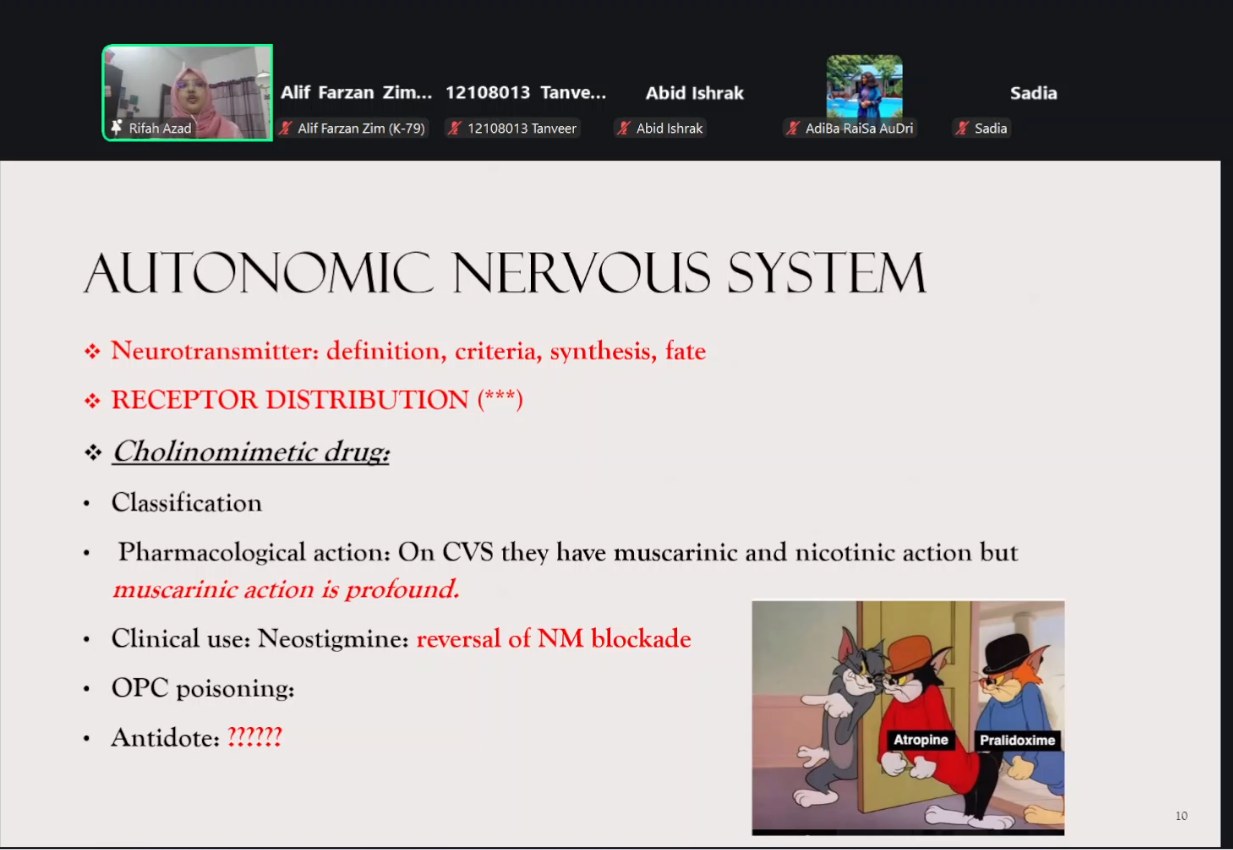
Autonomic nervous system questions represent the bedrock of viva boards and written SEQ papers:
- Cholinomimetic classifications and the pharmacological rationale for neostigmine in reversing neuromuscular blockade.
- Early bedside recognition of organophosphate poisoning (OPC) and the synergistic antidote protocol using atropine and pralidoxime.
- Adrenoceptor subtype mapping across cardiovascular, bronchial, uterine, and metabolic targets.
3. Antimicrobial Chemotherapy & National Regimens
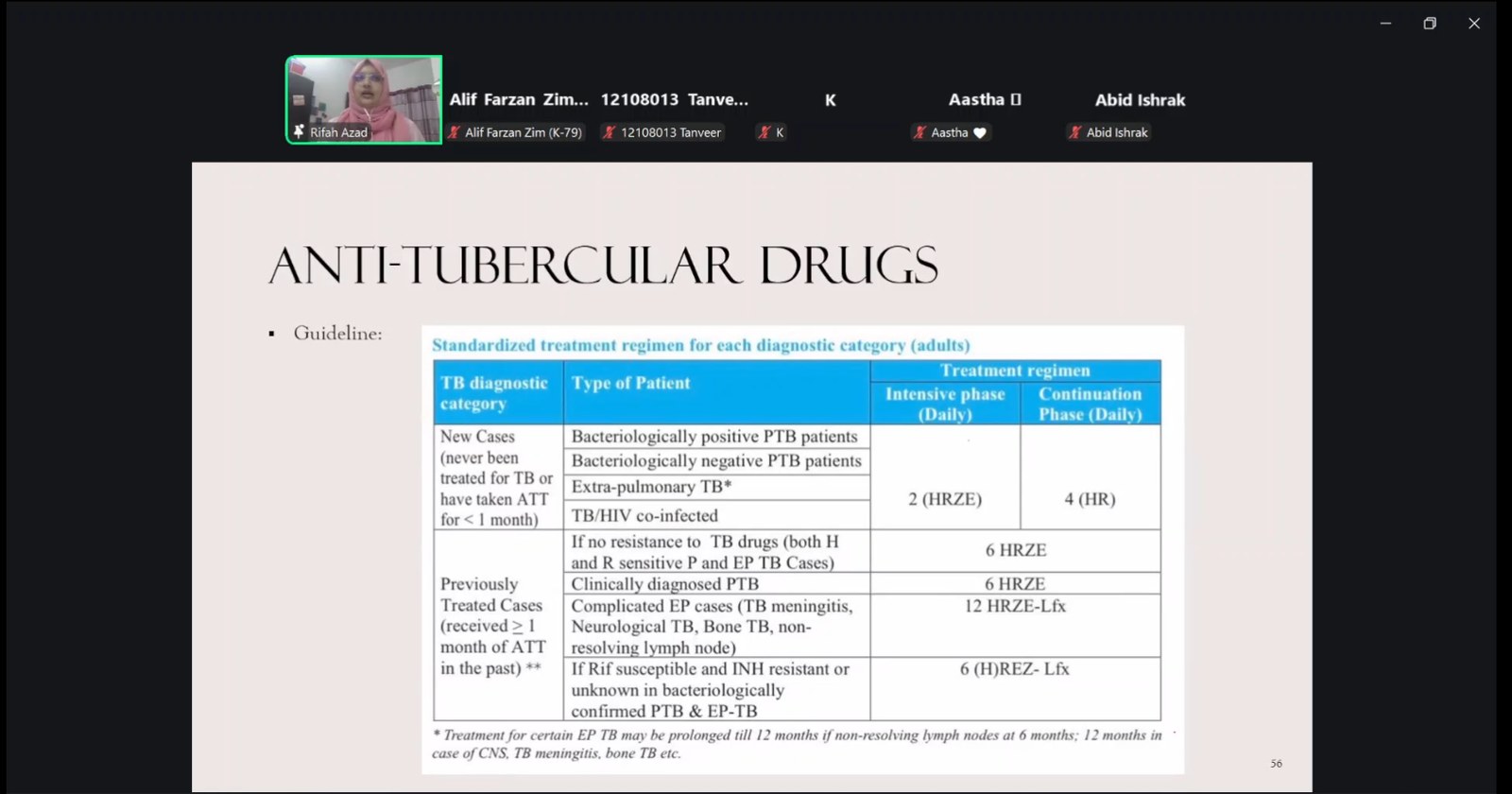
Focusing heavily on the national guidelines for anti-tubercular therapy (ATT), Dr. Rifah detailed:
- Categorization of new versus previously treated cases.
- Fixed-dose combinations in the intensive phase (2 HRZE) versus the continuation phase (4 HR).
- Management protocols for extrapulmonary TB and complicated CNS/tubercular meningitis presentations.
Interactive Student Q&A and Viva Voce Composure
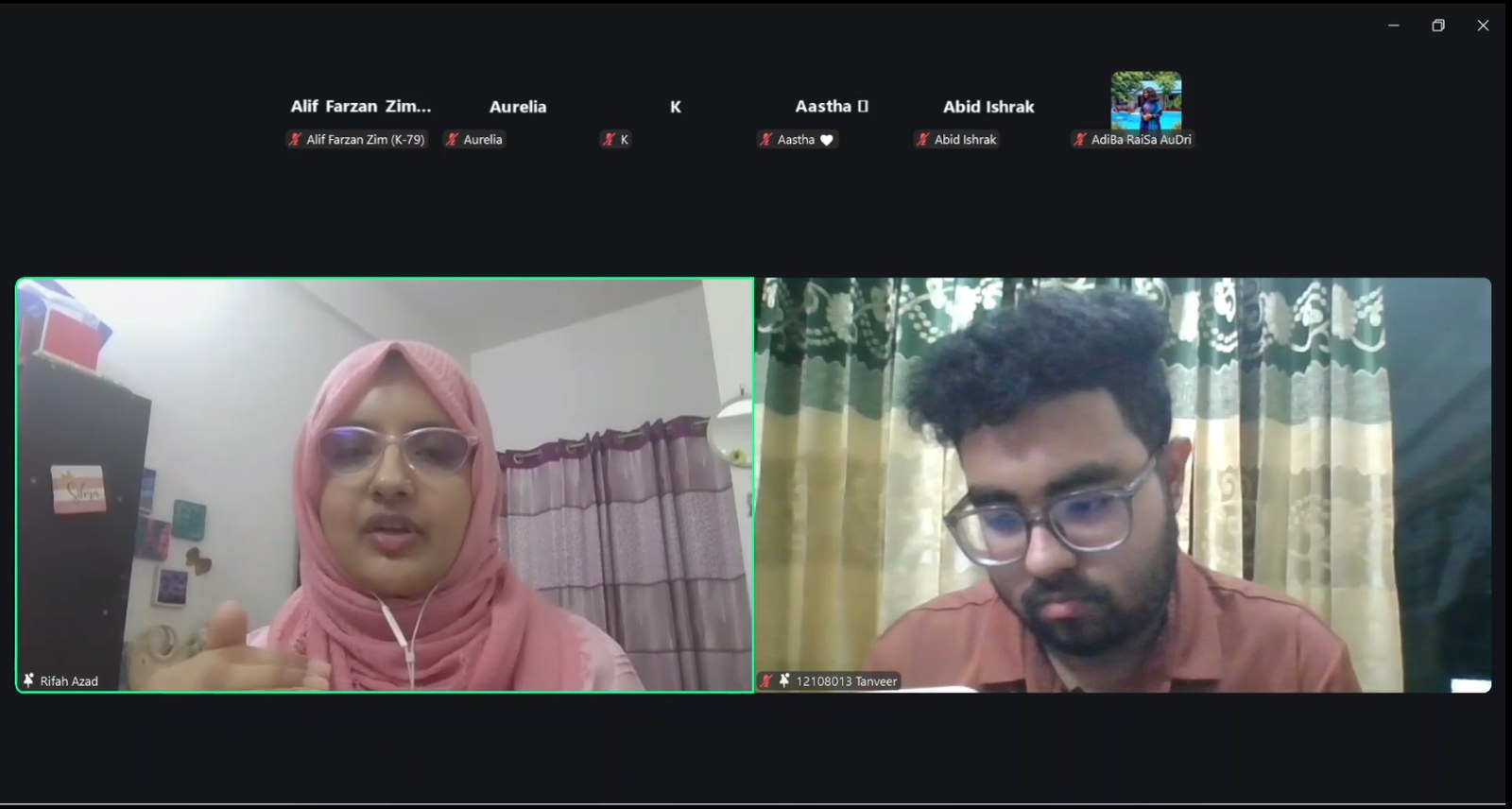
The second half of the webinar transitioned into a lively interactive dialogue moderated by Tanveer Al Razi Khan (K-79, Senior Student Leader, DMC IMIG). Students submitted complex queries regarding drug interaction mechanisms, adverse effects, and OSPE station timing:
- Managing Examiner Traps: Dr. Rifah highlighted how to approach classic viva dilemmas, such as adverse drug reactions versus side effects, and rational drug combinations.
- Prescription Writing Standards: The necessity of neat generic naming, explicit dose calculation, and patient instructions in practical journals.
Access Lecture Slides & Visual Archive
All participants and examinees can access the official class slide deck and explore the photo archive below:
Download / View Official Lecture Slides
View Pharmacology Webinar Gallery Album
View Event Page